NGO Affairs Bureau Reg. 1380 (Renewed: 1949) | Social Welfare Dha-03632 | Khulna Secretariat, Bangladesh
Publications Annual Report 2024–2025 (21 Pages)
All Reports
RUSTIC • Annual Report 2024–2025 Official Document • Page 1 of 21
Official Publication • July 2025

RUSTIC Annual Report 2024–2025

"Empowering Communities through Sustainability and Equity"

Annual Report 2025 Cover Illustration

Institutional Publication Record

Published by: RUSTIC (Rural Unfortunates Safety Talisman Illumination Cottage)

Head Secretariat: 6/1 Hazi Tomij Uddin Sarak, Banorgati, Sonadanga, Khulna-9100, Bangladesh

Dhaka Liaison Office: 23, Sahid Monsur Ali Sharani, 2nd Floor, Ramna, Dhaka, Bangladesh

Mobile / Phone: +88-01712-076267 | +880 1711-822709

Email: rustickln.bd@gmail.com | Website: https://www.rusticbd.org

RUSTIC • Annual Report 2024–2025 Official Document • Page 2 of 21

Annual Report 2024-2025

Contents

Executive Director’s Message ............................................................. Error! Bookmark not defined.

Strategic Objectives and Key Programs .............................................................................................. 8

Area of operation ............................................................................................................................... 9

On Going Program/ Project of Rustic ................................................................................................... 11

a)

Municipal solid waste management program ..................................................................... 11

Project Background and Evolution ........................................................................................... 11

Current Project Status and Impact ........................................................................................... 11

b)

Shahpur bazar waste management program (compost plant) ........................................... 12

c)

Education and human development program ..................................................................... 13

Sustainable Development of Slum-Migrant Adolescent Girls through Non-Formal Education

and IGA Vocational Training ........................................................................................................ 13

Primary Child Education Program ................................................................................................ 14

d)

Youth climate action program .............................................................................................. 15

e)

Water and Sanitation Program ............................................................................................ 16

f)

Agriculture Technology Transfer Program ........................................................................ 17

g)

Women Development Program ............................................................................................ 17

h)

Voter Education and Awareness Program .......................................................................... 18

i)

Awareness Program on Preventing Early Marriage and Dowry System ......................... 18

j)

Awareness Program on Trafficking and Child Rights ....................................................... 19

k)

Income-Generating Training Program for Youth .............................................................. 19

l)

Workshop and Seminar Program ........................................................................................ 19

l) National and International Day Observations .......................................................................... 20

Key Achievements 2024–2025 ......................................................................................................... 20

Partnerships and Networks ................................................................................................................... 21

Partnerships and Collaborations............................................................................................................ 21

Looking Ahead to 2025–2026 .............................................................................................................. 21

RUSTIC • Annual Report 2024–2025 Official Document • Page 3 of 21

Synopsis of RUSTIC

Name of Organization “RUSTIC” (Rural Unfortunates Safety Talisman Illumination Cottage)
Nature of Organization Non-Government, Non-Profit, Non-Political Voluntary Social Development Organization
Year of Establishment 1988 (Formally organized)
Head Office 6/1 Hazi Tomij Uddin Sarak, Banorgati, Sonadanga, Khulna-9100, Bangladesh
Dhaka Liaison Office 23, Sahid Monsur Ali Sharani, 2nd Floor, Ramna, Dhaka, Bangladesh
Legal Status & Registrations 1. NGO Affairs Bureau: Reg. No. 1380, Date: 20-04-1999 (Renewed periodically)
2. Department of Social Welfare: Reg. No. Khulna-537/93, Date: 19-09-1993
Contact Person Moral Noor Mohammad, Executive Director & Founder
Target Area & Beneficiaries Poor, marginalized, disaster-affected, and climate-vulnerable communities in Southwestern coastal Bangladesh (Khulna, Bagerhat, Satkhira).
RUSTIC • Annual Report 2024–2025 Official Document • Page 4 of 21

BACKGROUND OF THE ORGANIZATION

Bangladesh is a developing nation in Southeast Asia and is home to over 166.5 million people—of

whom more than 18.3% live below the poverty line. Among the most vulnerable are women and

children, especially in remote regions like Khulna and Bagerhat, in the disaster-prone southwestern

coastal belt. This area has faced repeated devastation from at least five major natural disasters over the

past few years- including cyclones Sidr, Aila, Amphan, and Reshmi—exacerbating an already

precarious socio-economic landscape. Its geographical distance from the capital, Dhaka, coupled with

fragile infrastructure and unreliable communication networks, further isolates the region from national

growth and support.

Natural calamities and economic neglect have created a cycle of hardship for the people of Khulna. The

lack of access to quality education and reliable data makes it difficult to assess the ground realities and

implement effective solutions. Despite having significant potential—Khulna hosts the country’s

second-largest seaport—unchecked deindustrialization has led to the closure or downsizing of at least

230 industries over the past two decades. The COVID-19 pandemic has only deepened this crisis, hitting

the already underemployed urban and peri-urban populations the hardest.

In an attempt to combat tidal surges and boost agricultural productivity, the government initiated the

Coastal Embankment Project (CEP) in the 1960s. However, this intervention has had unintended

ecological consequences. One of the world's most biologically diverse ecosystems has suffered from

chronic water-logging and drainage congestion, severely damaging traditional agriculture and local

livelihoods. Additionally, indiscriminate shrimp farming has introduced saline water into fertile lands,

rendering much of the agrarian soil barren.

Since 1988, local social activists have mobilized to raise awareness and offer solutions—financial,

technical, and emotional—to these persistent challenges. Their vision was to create a structured, legally

recognized organization to secure access to safe water and sanitation, protect biodiversity, promote

human rights, and eliminate illiteracy and harmful social practices. From this movement, RUSTIC was

born—a voluntary social development organization dedicated to empowering the marginalized.

RUSTIC works with the poorest members of the community, regardless of race, caste, or creed, to foster

integrated development and uplift lives economically, socially, and culturally.

Founded in 1989, RUSTIC (Rural Unfortunates Safety Talisman Illumination Cottage) has grown from

a grassroots initiative into a leading development organization in the South-West coastal belt of

Bangladesh. We focus on waste-to-resource models, vocational education, gender equity, and climate-

resilient development. With deep community roots, our programs reflect local priorities and values.

RUSTIC is an organization dedicated to improving lives through education, sustainable development,

and environmental action. Based in greater Khulna, our work spans urban and rural contexts, addressing

poverty, displacement, and disaster vulnerability.

RUSTIC • Annual Report 2024–2025 Official Document • Page 5 of 21

MANAGEMENT OF RUSTIC

RUSTIC operates under the leadership of a 7-member Executive Committee (EC), which is

democratically elected by the General Body every two years. The General Body comprises 31

committed members who bring diverse expertise and community insight to the organization. This body

serves as the highest authority within RUSTIC, providing strategic direction and oversight. It convenes

annually to review progress, set organizational goals, and establish key policy guidelines that shape the

future of the organization. The Executive Committee, entrusted with implementing these policies, meets

every month to ensure effective follow-up and operational efficiency. With careful planning and strong

dedication, the EC monitors ongoing programs, evaluates performance, and resolves emerging

challenges. Their consistent engagement ensures RUSTIC remains responsive to community needs and

dynamic in its approach. In addition to the EC, RUSTIC’s organizational structure is supported by three

core managerial organs, each responsible for specific areas of operation. Together, these bodies uphold

the principles of transparency, accountability, and participatory governance that define RUSTIC’s

mission.

1) General Committee

The General Committee consists of 31 members who meet twice a year.

2) Executive Committee

The Executive Committee is comprised of 07 members. The general committee elects the members for

a two years term. The EC is the supreme policy making body for execution of projects and programs of

the organization.

LIST OF EXECUTIVE COMMITTEE MEMBERs

SI Name

Position and Role

Md. Monowar

Hossain

(Moinul)

President: In the position of President, he serves as the driving force behind

the organization, offering visionary leadership and guidance. His primary role

involves shaping the strategic agenda, defining organizational objectives, and

ensuring effective internal and external communication of the mission.

Meetings under his guidance are characterized by open discussions and

facilitated decision-making processes. As the official representative, his

contributions extend to molding the organization's public perception and

nurturing robust relationships with stakeholders.

Dr. Md. Hasan

Ali

Vice President: Assuming the role of Vice President, his primary

responsibility lies in providing support to the President and stepping in as

required. Working closely with the President and fellow members, his

contributions are integral to decision-making processes and the overall

smooth functioning of the organization. Beyond this, his duties may

encompass the oversight of specific committees or projects, guaranteeing

continuity in the President's absence, and fostering a culture of collaboration

and positivity.

Moral Noor

Mohammad

General Secretary: With a specialization in budget management, his central

responsibility revolves around overseeing the financial well-being of the

organization. This includes meticulous maintenance of financial records,

RUSTIC • Annual Report 2024–2025 Official Document • Page 6 of 21

formulation of budgets, and regular provision of financial reports. His

attention to detail and financial expertise plays a pivotal role in supporting the

organization's sustainability and successful execution of its initiatives.

Collaboration with other leaders is essential to align financial strategies with

overarching organizational goals.

Favi Nahian

Madhurjo

Joint Secretary: In this role, his focus is on fostering collaboration and

coordination. Working closely with the General Secretary and fellow

members, he plays a key role in day-to-day organizational activities. This

encompasses managing communication, record-keeping, and coordinating

projects to ensure the effective functioning of various organizational

departments. His efforts contribute significantly to creating a cohesive and

well-coordinated organizational structure.

Md. Saidur

Rahman

Treasurer: In this position, he plays a pivotal role in the management of the

organization's financial resources. Oversight of budgets, financial planning,

and accurate record-keeping fall within his responsibilities. Additionally,

active involvement in fundraising initiatives is crucial to supporting the

organization's financial needs. His stewardship ensures the stability of the

organization and facilitates the successful execution of its initiatives.

Md. Monirul

Haque Monir

Executive Member: Serving in this role, his participation in organizational

decision-making processes is active. Contributions through discussions,

sharing insights, and collaboration with fellow members are essential to

achieving organizational objectives. His versatility allows him to support a

variety of initiatives and projects, thereby contributing to the overall success

and growth of the organization. His commitment and enthusiasm are integral

to fostering a dynamic and collaborative organizational culture.

Johora Akhter

Executive Member: Similar to the above, her role is defined by active

participation in organizational decision-making, sharing insights, and

supporting initiatives. Her efforts also help in creating a collaborative and

successful organizational environment.

3) Executive Officer

The general secretary is the principal executive officer of the organization as per approved constitution.

All administrative and project personnel are under him, and they implement all the projects under his

supervision.

RUSTIC • Annual Report 2024–2025 Official Document • Page 7 of 21

Vision:

RUSTIC envisions a just, equitable, and inclusive society where every individual—regardless of race,

color, or creed—can live with dignity, free from poverty. Through self-empowerment and collective

action, it aims to foster a future were social justice and human potential flourish without discrimination.

“Non-stop fighting against poverty and climate change”

Mission:

RUSTIC believes that the poor already understand the roots of poverty—their only need is meaningful

support as non-formal education, IGA training specially to urban and migrate families who are affected

from climate change. Our mission is to integrate sustainable development into the lives of marginalized,

vulnerable, and disadvantaged men, women, and children, enabling them to rise above hardship and

build resilient, empowered communities. We also focus on improving the environment in a sustainable

manner with various activities.

Target groups

RUSTIC primarily targets marginal farmers as its key beneficiary group. These individuals typically

own or have access to small plots of arable land that hold significant agricultural potential. However,

due to the absence of adequate technical guidance, training, and logistical support, they are often unable

to utilize their land productively. This limitation not only hinders their income generation but also

perpetuates cycles of poverty and food insecurity within rural communities. As a result of these

challenges, many of these farmers are compelled to migrate to urban centers in search of livelihood

opportunities. Once in the city, they often settle in overcrowded, under-resourced, and unsanitary slum

areas. This migration contributes to the deterioration of urban environments and puts additional strain

on already overburdened city infrastructure. Furthermore, the relocation disconnects them from their

traditional knowledge systems and agricultural roots. Consequently, they are unable to explore or

realize their full socioeconomic potential. RUSTIC recognizes this systemic issue and seeks to intervene

at the source by empowering these farmers within their rural contexts. RUSTIC focuses on agricultural

technology transfer to the farmers for a sustainable green future. Through tailored programs and

sustainable development initiatives, the organization aims to transform marginalized farmers into self-

reliant, productive contributors to their communities.

RUSTIC • Annual Report 2024–2025 Official Document • Page 8 of 21

Strategies

  • Embrace and integrate the traditional wisdom of local communities, nature, and the

environment as a foundation for sustainable development.

  • Promote group-based approaches rooted in the belief that “united we stand, divided we

fall,” fostering solidarity and collective action.

  • Strengthen organizational effectiveness through continuous staff development,

training, and a strong culture of commitment.

  • Actively involve target communities in the planning and implementation of

development initiatives to ensure relevance and ownership.

  • Empower women through both human development and economic advancement,

promoting their active participation in decision-making processes.

  • Expand employment opportunities by providing skill development through non-formal

education, and vocational IGA training tailored to local needs.

  • Build partnerships and networks with like-minded organizations to amplify impact and

share knowledge.

  • Work toward gender equity by addressing and eliminating disparities that hinder

women's full participation in society.

Strategic Objectives and Key Programs

To achieve its mission, RUSTIC has developed five strategic objectives, each supported by a

dedicated program:

1. Organization Building and Institutional Development Program

Focuses on strengthening internal governance, accountability, and long-term

sustainability of the organization.

2. Education and Human Resource Development Program

Aims to enhance literacy, lifelong learning, and skill-building opportunities for

children, youth, and adults.

3. Food Security and Economic Self-Reliance Program

Supports marginalized communities in achieving sustainable livelihoods through

agriculture, entrepreneurship, and income generation.

4. Resilience to Climate Change and Environmental Protection Program

Works to build community resilience, promote sustainable resource use, and mitigate

the impacts of climate change.

5. Rights Protection and Healthcare Program

Seeks to ensure access to basic healthcare, promote human rights, and protect

vulnerable groups through advocacy and service delivery.

RUSTIC • Annual Report 2024–2025 Official Document • Page 9 of 21

AREA AND GROUPS

Area of operation

Between 2008 and 2025, RUSTIC effectively increased its service to 89 communities,

including 106 villages. This deliberate distribution was created to improve administrative

efficiency and ensure effective program execution across a variety of contexts. The extensive

coverage demonstrates RUSTIC's dedication to inclusive development, which addresses the

distinct requirements of both rural and urban communities. A thorough description of

RUSTIC's operational areas for the reporting period is provided below.

District

Upazila

Khulna

Dumuria

Koyra

Batiaghata

Dacope

Sonadanga (KCC)

Bagerhat

Bagerhat Sadar

Kachua

Fakirhat

Mollahat

Chitalmari

Mongla

Shatkhira

Shamnagar

Group Organization

RUSTIC has been working mainly through group approaches. The peoples are organized into

groups mainly for the purposes of

  • Strengthening the group members’ individual and collective capability and capacity.
  • To make the effort of development a sustainable one.
  • To make the communication information easily accessible to group members
  • To build the peoples own institutional bases

During 2024-2025, a total of 58 groups have been formed with a total of 1580 poor

and underprivileged men and women. Male groups are formed with male and female groups

with female. Average members per group are about 24. The group members have been

attending group meeting weekly and the members have been participating the seminars, training

sessions and workshops willingly.

RUSTIC • Annual Report 2024–2025 Official Document • Page 10 of 21

RUSTIC Activities

RUSTIC mainly works for the poor people in the South West region of Bangladesh specially Bagerhat,

Khulna, and Satkhira by implementing various projects. It also works for sustainable environmental

management and also works to mitigate the impact of global climate change on the coastal region of

Bangladesh.

District

Upazila

No of Union

No. of village/wards

No. of Members

Male

Female

Total

Khulna

Koyra

118

Dumuria

101

130

Batiaghata

Dacope

117

Khulna (KCC)

Sonadanga

102

Bagerhat

Bagerhat Sadar

Chitalmari

103

Mollahat

Mongla

585

660

Kachua

110

Fakirhat

130

200

Total

106

459

1317

1776

RUSTIC • Annual Report 2024–2025 Official Document • Page 11 of 21

On Going Program/ Project of RUSTIC

Each of our core program areas aims to provide holistic, rights-based solutions that uplift communities

and strengthen their capacity to respond to social, economic, and environmental challenges.

a) Municipal solid waste management program

Strategic Objectives

  • Improve the overall urban environment of Khulna City.
  • Foster civic responsibility and environmental awareness among urban residents.
  • Minimize environmental pollution through sustainable practices.
  • Establish and strengthen community-driven, sustainable municipal solid waste management

systems.

Current Donor and Partner Agencies

  • Bangladesh NGO Foundation
  • RUSTIC (self-contribution)
  • Community Participation
  • SHGO (Seven Hills Foundation Global

Outreach)

  • UNDP / GIZ / Khulna City Corporation (KCC)
  • USAID & Abt Global

Project Timeline

Initial Launch: March 1997

Status: Ongoing and actively expanding

Project Background and Evolution

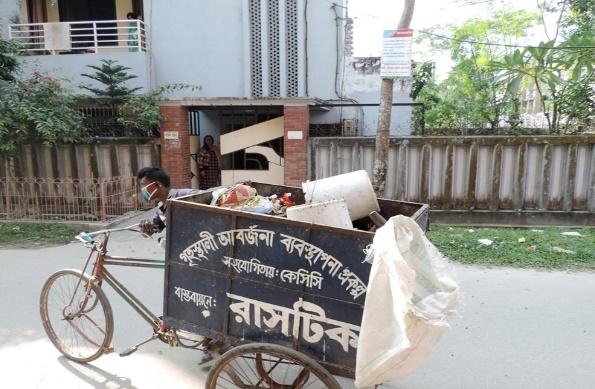
RUSTIC launched the Community-Based Municipal Solid Waste Management Project

(CBMSWMP) in March 1997, with actual waste collection operations beginning in June of the same

year. Initially, the project targeted two communities in Ward No. 17 as part of a pilot initiative. These

included areas of the Sonadanga Residential Zone and adjacent mohallas. Waste Management

Committees were established in each community to encourage local ownership and engagement.

RUSTIC is actively collecting kitchen garbage from 4,700 households and producing organic compost

from these. Its positive effect is visible and this initiative is duplicable as it’s reducing the pollution and

helping the farmers and gardeners produce organic products.

Current Project Status and Impact

Today, RUSTIC independently manages the project, having achieved operational sustainability. The

project’s core activities include

  • Daily door-to-door garbage collection.
  • Promoting public participation and building awareness around sanitation and hygiene.
  • Encouraging positive behavior change, including willingness to pay for services to ensure

long-term viability.

Annual Report 2025 Page 11 Field Photo
RUSTIC • Annual Report 2024–2025 Official Document • Page 12 of 21

RUSTIC currently collects between 3.0 to 3.5 metric tons of kitchen waste per day, serving

approximately 4,700 selected households across Wards No. 16, 17, and 18 of Khulna City

Corporation.

To support community engagement, RUSTIC has formed 15 Municipal Solid Waste Management

Committees, each consisting of 11 members—60% of whom are women. These committees meet

monthly to monitor progress, address community feedback, and strengthen implementation. The active

involvement of residents, including a modest monthly service charge (BDT 20–200) based on income

level, helps finance the wages of waste collectors and cover operational expenses.

Importantly, the young boys engaged in waste collection are also enrolled in RUSTIC’s Non-Formal

Education Program or nearby community schools, ensuring that their livelihoods do not come at the

cost of their education. This compassionate, community-supported model has fostered a deep bond

between residents and waste collectors- many households now offer gifts of food, clothing, and other

support as a gesture of appreciation.

RUSTIC remains committed to further enhancing the scope and efficiency of the program through

collaboration, innovation, and continued community engagement. The success of this initiative reflects

a scalable, inclusive model of urban environmental management that places people at the center of

sustainable change.

RUSTIC has the Government’s permission to operate in the concerned area. The area coverage is total

city corporation. Through aerobic composting system it’s producing 1200-1400 kg compost per day.

Which is directly delivered to the farmers and gardeners.

b) Shahpur bazar waste management program (compost plant)

The Shahpur Bazar Waste Management Program, operated by RUSTIC, is a pioneering initiative

focused on transforming organic market waste into valuable compost through an environmentally sound

and community-driven approach. Situated in the heart of Shahpur Bazar, a densely populated and

economically vibrant area, this program addresses the urgent need for sustainable waste disposal

solutions while promoting circular economy practices.

The primary objective of the program is to reduce the

volume of biodegradable waste generated in the

marketplace and surrounding areas by converting it

into organic compost. This not only helps minimize

the environmental burden of unmanaged organic waste

but also supports local agriculture by producing

nutrient-rich soil enhancers. The compost plant is

designed to handle a daily intake of organic market

waste, including vegetable peels, spoiled fruits, cow

dung and other biodegradable materials, collected

through market and vendor-based waste segregation

efforts.

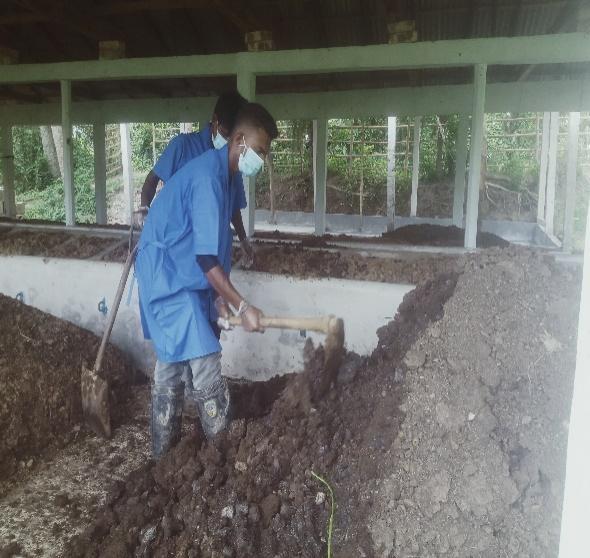
RUSTIC has established a systematic process that begins with awareness campaigns and vendor

engagement to ensure effective waste separation at the source. The collected organic waste is

transported to the Shahpur composting site, where it undergoes aerobic decomposition under

controlled conditions. Within weeks, the waste is processed into high-quality compost that is then

packaged and made available for local farmers and gardeners at affordable prices.
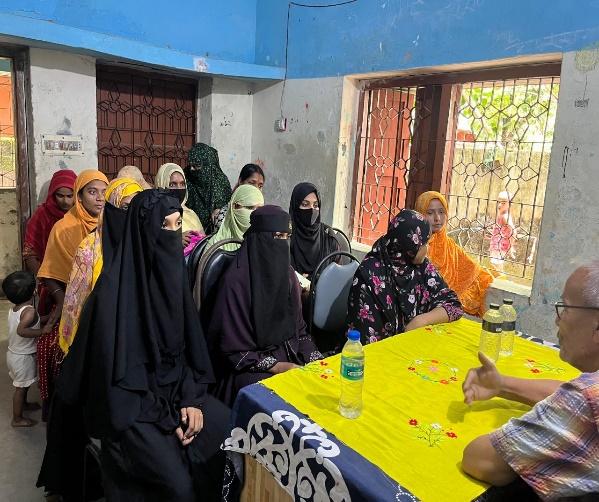
Annual Report 2025 Page 12 Field Photo
RUSTIC • Annual Report 2024–2025 Official Document • Page 13 of 21

The program not only serves an environmental purpose but also creates livelihood opportunities for

local waste workers, especially women and youth, who are involved in collection, sorting, and compost

production. RUSTIC ensures that all involved personnel receive basic training in hygiene, safety, and

composting techniques to maintain operational efficiency and product quality.

Through this initiative, RUSTIC is demonstrating a scalable model for community-based organic

waste management that integrates environmental conservation with economic empowerment. The

Shahpur Bazar Compost Plant stands as a practical example of how decentralized waste management

can lead to cleaner markets, improved soil fertility, and healthier urban-rural ecosystems.

Key Features of the Program

  • Reduction of biodegradable waste through composting, minimizing landfill

dependency.

  • Daily organic waste collection from Shahpur Bazar and adjacent communities.
  • Community engagement and awareness campaigns for effective waste segregation at

the source.

  • Use of aerobic composting technology to produce high-quality, eco-friendly compost.
  • Support to local agriculture through affordable access to organic fertilizers.
  • Creation of green jobs for marginalized community members, including women and

youth.

  • Training and capacity building in waste management, hygiene, and environmental

stewardship.

  • Scalable model for replication in other marketplaces and semi-urban areas.

c) Education and human development program

RUSTIC’s Education and Human Development Program

is designed to break the cycle of poverty and marginalization

through

inclusive

learning

opportunities

and

skill

development. Focused on some of the most vulnerable

populations- including slum-dwelling adolescent girls and

out-of-school children-this program equips individuals with

the tools they need to lead empowered, self-sustaining lives.

It reflects RUSTIC’s deep commitment to education as a

catalyst for personal growth, social equity, and long-term

community development.

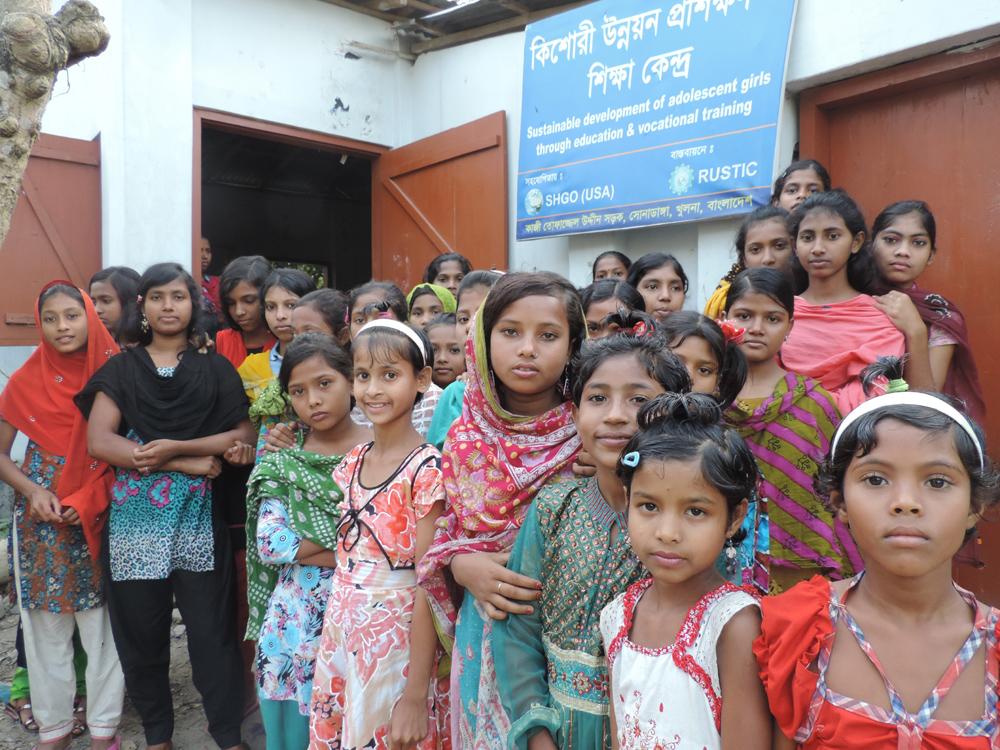
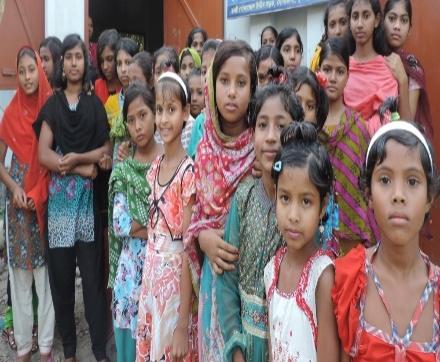
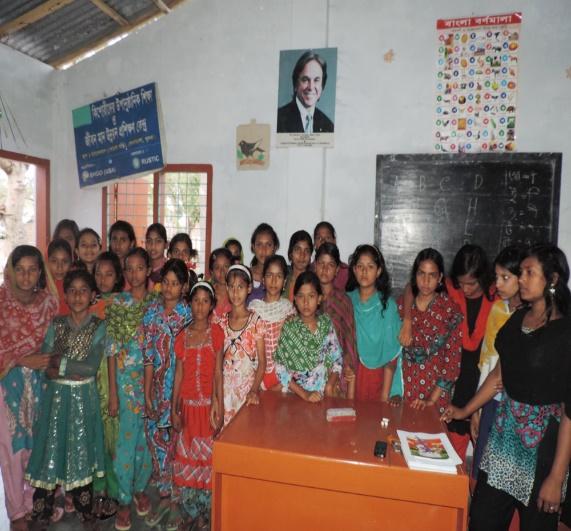
Sustainable Development of Slum-Migrant Adolescent Girls through Non-Formal Education and IGA

Vocational Training

This sub-program is specifically designed to support adolescent girls from slum areas, particularly

those who have migrated with their families in search of economic opportunities. These young girls

often lack access to formal education, vocational training, and a safe space for personal development.

Annual Report 2025 Page 13 Field Photo
RUSTIC • Annual Report 2024–2025 Official Document • Page 14 of 21

Key Features:

  • Non-formal education centers provide flexible and context-sensitive learning that bridges the

gap for girls excluded from traditional schooling.

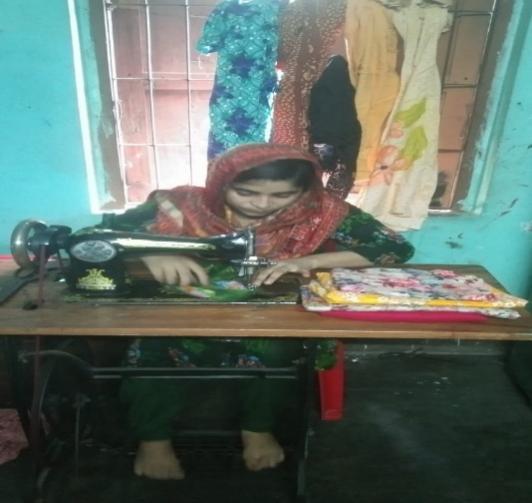
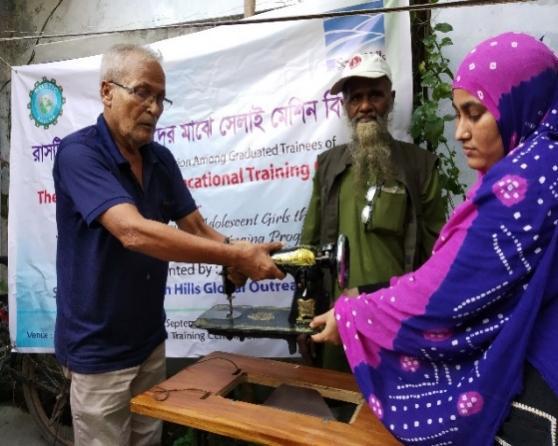
  • Vocational training in tailoring, embroidery, handicrafts, and basic entrepreneurship equips

them with market-relevant skills.

  • Life skills education, including sessions on health, hygiene, rights awareness, and gender

equality, builds confidence and agency.

  • Peer support and counseling nurture emotional resilience and social integration.
  • Job linkage and livelihood support help transition trained girls into income-generating

opportunities.

This initiative ensures that adolescent girls become self-reliant, literate, and capable of contributing

meaningfully to their families and communities.

Primary Child Education Program

To ensure every child has a strong foundation for lifelong learning, RUSTIC runs the Primary Child

Education Program, and targeting children from marginalized, low-income families who are often

deprived of formal education.

Key Features:

  • Community-based non-formal primary schools that

offer flexible schedules and child-centered pedagogy.

  • Qualified local teachers are trained to engage students

through interactive and culturally relevant teaching

methods.

  • Enrollment drives are conducted to identify and include

out-of-school children, particularly girls and children with

disabilities.

  • Mid-day snacks and school supplies encourage

attendance and reduce the financial burden on families.

  • Transition support to formal schools for children

completing the non-formal curriculum.

This program has helped hundreds of underprivileged children develop literacy, numeracy, and social

skills, laying the groundwork for better life outcomes and access to formal education systems.

Together, these two components of RUSTIC’s Education and Human Development Program aim to

build a more equitable, educated, and resilient society, where both children and adolescents are

empowered to shape their futures with dignity and confidence.

Annual Report 2025 Page 14 Field Photo
RUSTIC • Annual Report 2024–2025 Official Document • Page 15 of 21

d) Youth climate action program

The Youth Climate Action Program is one of RUSTIC’s flagship initiatives aimed at mobilizing and

empowering young people to become active agents of change in the fight against climate change.

Recognizing the critical role youth play in building a sustainable future, the program equips adolescents

and young adults with the knowledge, skills, and platforms needed to engage in climate resilience,

environmental stewardship, and green innovation.

This initiative targets both rural and urban youth, with a particular focus on communities that are

vulnerable to climate-related challenges such as rising sea levels, salinity intrusion, cyclones, and

waterlogging- especially in the southwest coastal belt of Bangladesh.

Key Features of the Program:

  • Climate Education Workshops: Interactive sessions to raise awareness about climate

change, its impacts on local ecosystems, and the importance of sustainable living.

  • Youth-Led Community Projects: Encouraging youth to design and implement localized

climate action initiatives such as tree plantations, rooftop gardening, clean-up drives, and

waste recycling campaigns.

  • Advocacy and Leadership Training: Training modules on environmental rights, climate

justice, and advocacy techniques to help youth speak up at local and national forums.

  • Green Innovation Labs: Platforms where young people can collaborate and explore eco-

friendly technologies, renewable energy models, and low-cost climate adaptation solutions.

  • Networking and Collaboration: Connecting youth groups with climate experts, NGOs,

schools, and government agencies to promote collaboration and exchange of ideas.

  • Research and Data Collection: Involving youth in community-based environmental

monitoring and reporting, contributing to a more informed and participatory approach to local

climate governance.

  • Campaigns and Social Media Engagement: Leveraging online platforms to spread

awareness, share climate stories, and mobilize digital youth networks around environmental

issues.

By creating a climate-conscious generation of leaders, the Youth Climate Action Program fosters

long-term resilience and collective responsibility. RUSTIC believes that when young people are given

the tools, space, and encouragement to act, they can become powerful contributors to both mitigation

and adaptation efforts in their communities.

This program reflects RUSTIC’s broader commitment to climate justice, youth empowerment, and

sustainable development, ensuring that today’s youth are prepared to face tomorrow’s climate

challenges.

RUSTIC • Annual Report 2024–2025 Official Document • Page 16 of 21

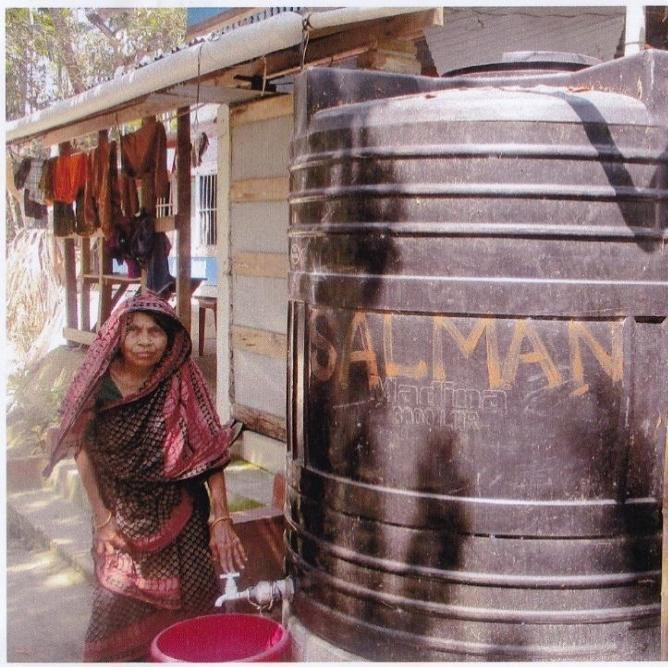
e) Water and Sanitation Program

Access to safe water and improved sanitation is a fundamental human right and a cornerstone of public

health. RUSTIC’s Water and Sanitation Program is

designed to ensure clean, affordable, and sustainable

water and sanitation services for marginalized and

vulnerable communities, particularly in the coastal and

disaster-prone regions of Khulna.

The program addresses the urgent challenges faced by

communities where salinity intrusion, waterlogging,

and lack of infrastructure severely limit access to

potable water and hygienic sanitation facilities. With a

focus on women, children, and disadvantaged groups,

the initiative promotes both health security and dignity.

Key Components of the Program:

  • Installation of Safe Water Sources: Including deep tube wells, rainwater harvesting systems,

and set up storage tank for safe water.

  • Sanitation Infrastructure Development: Construction of gender-sensitive and disability-

inclusive latrines in households, schools, and public areas.

  • Hygiene Promotion Campaigns: Community sessions, school-based programs, and behavior

change communication activities to promote handwashing, menstrual hygiene, and safe

sanitation practices.

  • Community Ownership and Training: Formation of Water and Sanitation Committees to

ensure community involvement, maintenance, and sustainability of installed facilities.

  • Emergency Response: Distribution of water purification tablets and hygiene kits during

natural disasters to prevent waterborne disease outbreaks.

  • Monitoring and Evaluation: Regular quality checks of water sources and impact assessments

to improve service delivery and adapt to changing community needs.

Through this program, RUSTIC has improved the quality of life for thousands of families by reducing

disease risks, supporting girls’ education through better sanitation in schools, and promoting a culture

of cleanliness and health. The initiative plays a vital role in advancing Sustainable Development, while

also contributing to broader health, education, and gender equality outcomes.

Annual Report 2025 Page 16 Field Photo
RUSTIC • Annual Report 2024–2025 Official Document • Page 17 of 21

f) Agriculture Technology Transfer Program

The Agriculture Technology Transfer Program aims to enhance the productivity and sustainability

of smallholder and marginal farmers by introducing them to advanced, cost-effective, and climate-

resilient agricultural practices. Recognizing that traditional farming methods alone are insufficient in

today’s climate-vulnerable and competitive context;

RUSTIC works to bridge the gap between scientific

innovation and grassroots practice.

  • Training on modern cultivation methods

with organic compost and other tools.

  • Demonstration plots for new seed varieties

and irrigation techniques.

  • Farmer field schools and exposure visits.
  • Linkage with agricultural extension services

and local markets.

Through this program, farmers receive hands-on

training on modern tools, drought- and salinity-

resistant crop varieties, organic composting, integrated pest management, and climate-smart irrigation

systems such as drip and rainwater harvesting. Demonstration plots are established to showcase new

techniques, and Farmer Field Schools serve as hubs for knowledge-sharing. This initiative not only

increases food production but also improves household income and community nutrition.

g) Women Development Program

The Women Development Program is a core component of

RUSTIC’s vision for gender-inclusive development. The

program addresses the multidimensional barriers faced by

women, especially those from rural and marginalized

communities, by equipping them with education, economic

resources, leadership skills, and awareness of their rights.

  • Functional literacy and leadership development
  • Access to modern learning and entrepreneurship

support

  • Skill development in tailoring, handicrafts, and agro-

processing

  • Formation of women’s groups and self-help cooperatives

RUSTIC forms women’s self-help groups to promote collective empowerment and provides vocational

training in areas such as tailoring, food processing, and handicrafts. Women are also supported with

microcredit, entrepreneurship training, and market linkage services. Furthermore, the program conducts

awareness sessions on reproductive health, legal rights, and gender-based violence, creating a safe and

supportive environment for women to assert their voices and lead change within their families and

communities.

Annual Report 2025 Page 17 Field Photo
RUSTIC • Annual Report 2024–2025 Official Document • Page 18 of 21

h) Voter Education and Awareness Program

RUSTIC believes that voters have a key role in ensuring and strengthening the democracy of

a country. As a result, in 2024-2025, RUSTIC worked to create awareness among the people

in Wards 17, 18 and 19 under Khulna City Corporation with the aim of creating voter

education and awareness along with other programs being implemented.

Key Features of the Program:

  • Educate voters about the electoral

process,

voting

rights,

and

responsibilities.

  • Increase voter turnout, especially among

first-time

voters,

marginalized

communities, and youth.

  • Promote informed voting by encouraging

evaluation of candidates and parties based

on issues and policies.

  • Combat misinformation and reduce the

influence

of

money,

coercion,

or

manipulation in elections.

  • Strengthen democracy by encouraging citizen participation and trust in the electoral

process.

i) Awareness Program on Preventing Early Marriage and Dowry System

This awareness program is designed to combat two deeply rooted social issues- early marriage and

the dowry system- that disproportionately affect girls and young women. These practices not only

violate human rights but also perpetuate cycles of poverty, illiteracy, and gender inequality.

  • Community dialogues and school-based awareness

campaigns.

  • Street theatre and storytelling sessions.
  • Workshops for parents, teachers, and religious

leaders.

  • Establishing

support

networks

and

referral

mechanisms.

RUSTIC works at the grassroots level to educate parents,

community leaders, teachers, and adolescents on the

harmful consequences of child marriage and dowry.

Through

storytelling,

street

theater,

community

discussions, and school-based awareness campaigns, the organization fosters dialogue and builds

resistance against these practices. The program also promotes legal awareness and access to support

services, helping communities adopt progressive values and protect the rights of girls.

Annual Report 2025 Page 18 Field Photo
RUSTIC • Annual Report 2024–2025 Official Document • Page 19 of 21

j) Awareness Program on Trafficking and Child Rights

The Awareness Program on Trafficking and Child Rights focuses on preventing child exploitation

and promoting the protection and empowerment of children in vulnerable regions. Human trafficking,

child labor, and abuse continue to threaten the well-being of many children, especially those from

impoverished families or broken households.

  • Sessions on child protection laws and trafficking prevention
  • Child rights education in schools and communities
  • Partnership with law enforcement and child protection agencies
  • Campaigns and rallies on International Child Rights Day

Through this program, RUSTIC conducts awareness sessions on child rights, anti-trafficking laws, and

child protection mechanisms. Community groups and school committees are trained to identify and

respond to early signs of trafficking and abuse. The program also partners with local authorities and

child welfare organizations to create a safety net for at-risk children. Empowering children with

knowledge of their rights is central to building a society where every child can grow in safety and

dignity.

k) Income-Generating Training Program for Youth

RUSTIC’s Income Generating Training Program for Youth addresses the critical issue of

unemployment and lack of practical skills among rural and semi-urban youth. This program provides

market-oriented vocational training that enables young people to gain meaningful employment or start

their own small businesses.

  • Training in electrical work, carpentry, mobile servicing, and driving.
  • Entrepreneurship and financial literacy workshops.
  • Job placement assistance and business start-up support.
  • Career counseling and mentoring.

Trainings include electrical work, plumbing, mobile phone repair, sewing, driving, and basic computer

literacy. Entrepreneurship modules are offered to help trainees plan and manage micro-enterprises. The

program also includes soft skill development, financial literacy, and career counseling to prepare youth

for the modern job market. By equipping youth with the tools to become economically independent,

this initiative reduces migration pressure and helps build resilient local economies.

l) Workshop and Seminar Program

The Workshop and Seminar Program serves as a platform for knowledge exchange, awareness-

raising, and skill enhancement for a variety of stakeholders-community members, development

workers, policy influencers, and youth leaders. These events help disseminate best practices and

promote critical thinking on key development issues.

  • Stakeholder engagement on topics like gender, climate, health, and governance.
  • Capacity-building workshops for staff, community leaders, and volunteers.
  • Knowledge exchange sessions with academic and civil society organizations.

Topics include climate resilience, human rights, education, gender equality, public health, and rural

development. The program often invites experts from academia, government, and civil society to lead

sessions and facilitate discussions. These events not only enhance participants’ knowledge and capacity

RUSTIC • Annual Report 2024–2025 Official Document • Page 20 of 21

but also strengthen collaboration across sectors. Feedback from workshops is integrated into program

planning, ensuring a participatory approach to community development.

l) National and International Day Observations

OBSERVATION OF NATIONAL AND INTERNATIONAL DAYS WITH RALLIES

RUSTIC actively observes key national and international days to highlight pressing social,

environmental, and developmental issues, engaging the public in collective awareness and action.

Events such as World Environment Day, International Women’s Day, Universal Children’s Day,

and World Water Day are celebrated through rallies, art competitions, speeches, exhibitions, and

cultural programs. These observances are conducted in collaboration with schools, local authorities,

NGOs, and youth groups, allowing for wide participation. Through these events, RUSTIC fosters a

culture of civic responsibility, global awareness, and solidarity across communities.

RUSTIC personnel and beneficiaries are used to participating in mass rallies held in the city to observe

different national and international days. During the year under review, they have attended the following

rallies.

▪ International Children’s Day

▪ United Nations Day

▪ International Women's Day

▪ Universal Human Rights Day

▪ World Environment Day

▪ International AIDS Day

 International Mother Language Day (Language Martyr’s Day)

 Bangladesh Independence Day

 Bangla New Year (Pohela Boishak) day

 Begum Rokeya Day

 National Mourning Day

 Bangladesh Victory Day

Key Achievements 2024–2025

Here are some key statistics from the past year:

Activity

Results

People reached

8,500+

Water Tank and Deep tube well

24 and 55

Compost produced and sold

460 metric tons

Urban households receiving waste service

4,700

Pre-primary and non-formal students supported

30 and, 60

Rainwater harvesting systems installed

Sanitary latrines installed

These numbers reflect both the scale and variety of our community impact.

RUSTIC • Annual Report 2024–2025 Official Document • Page 21 of 21

Partnerships and Networks

Partnerships and Collaborations

RUSTIC works with international donors like UNDP, GIZ, SHGO-USA, USAID, Abt Global and local

entities including Khulna City Corporation, PKSF, and BNF. Our national networks include ADAB,

CEDAB, WasteNet, and SAF.

Our work is made possible through alliances with ADAB, CEDAB, SAF, WasteNet, PKSF, UNDP,

GIZ, BNF, and others. International partners like Seven Hills Global Outreach and Ashoka have helped

scale our innovations and impact.

Monitoring, Evaluation, and Learning (MEL)

Our MEL framework tracks outcomes and ensures accountability. All programs are evaluated regularly

to improve delivery and relevance. Feedback from communities is integrated into planning and

implementation.

Looking Ahead to 2025–2026

In the upcoming year, RUSTIC plans to expand its composting unit, introduce solar technology,

increase the number of youth training centers, and scale up climate-resilient livelihoods. We aim to

deepen our grassroots impact and broaden our donor base to ensure a greater and safer future for next

gen.